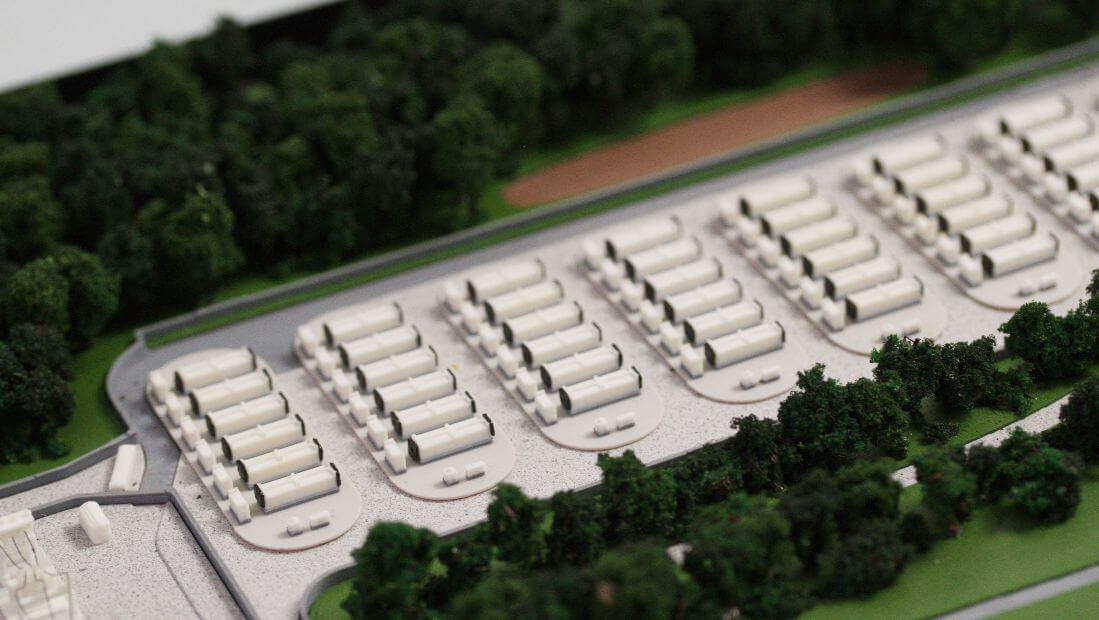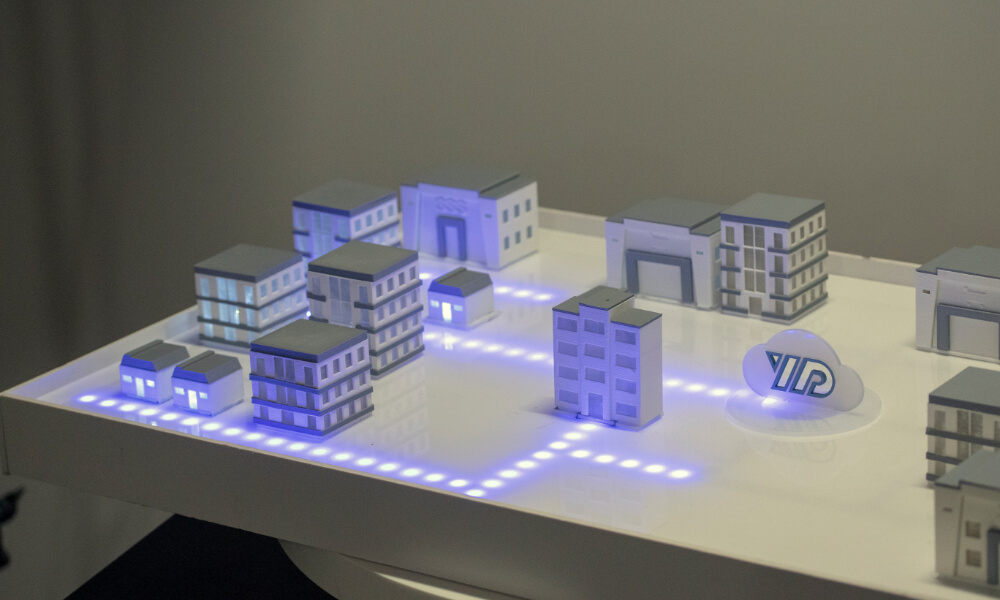
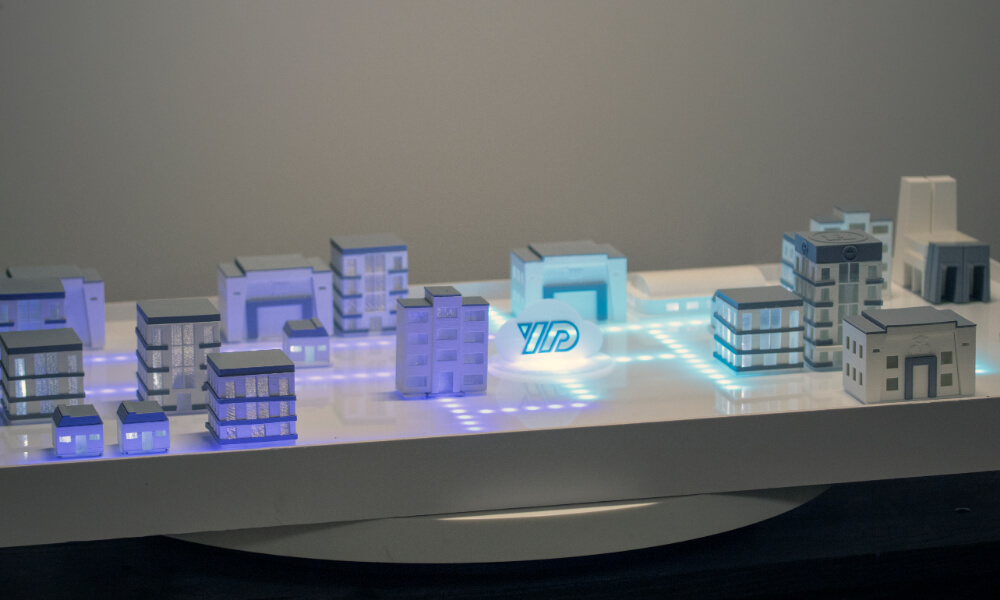
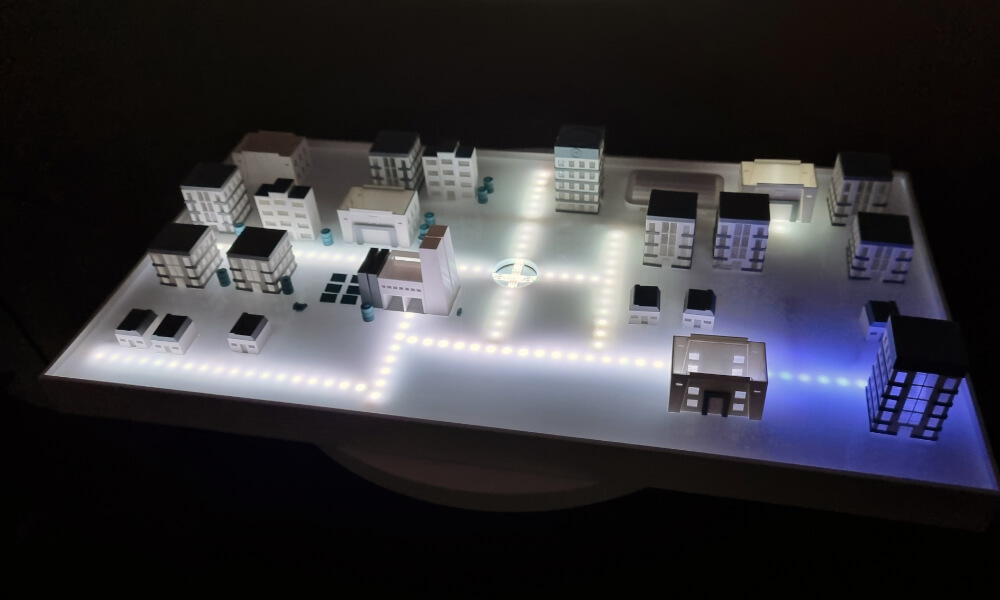

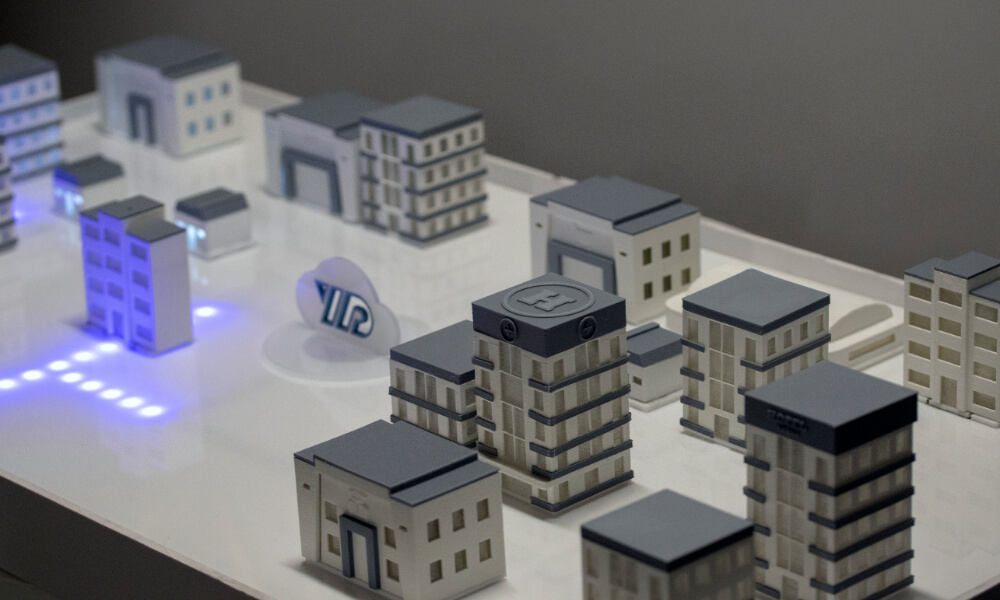
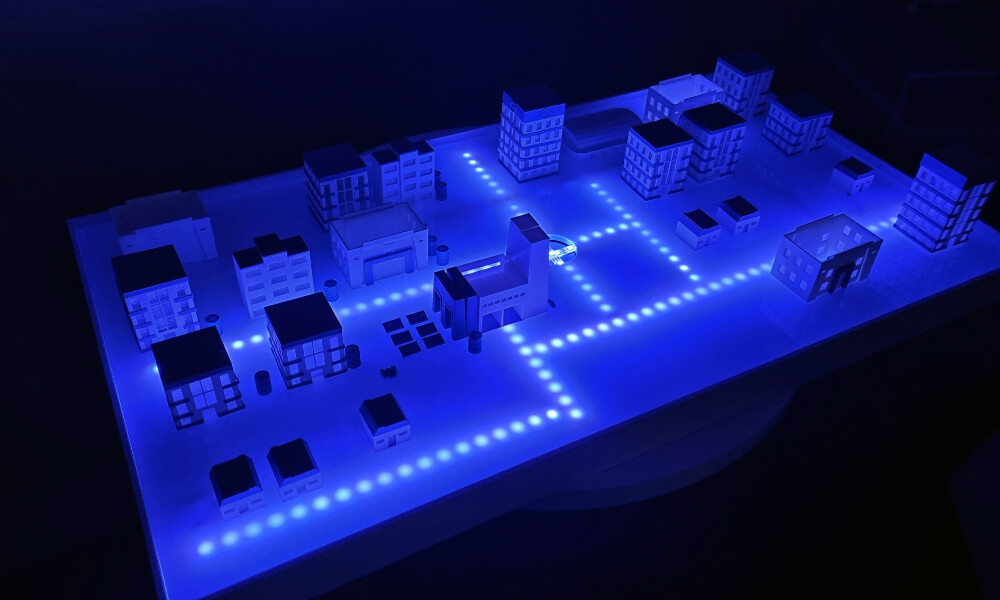
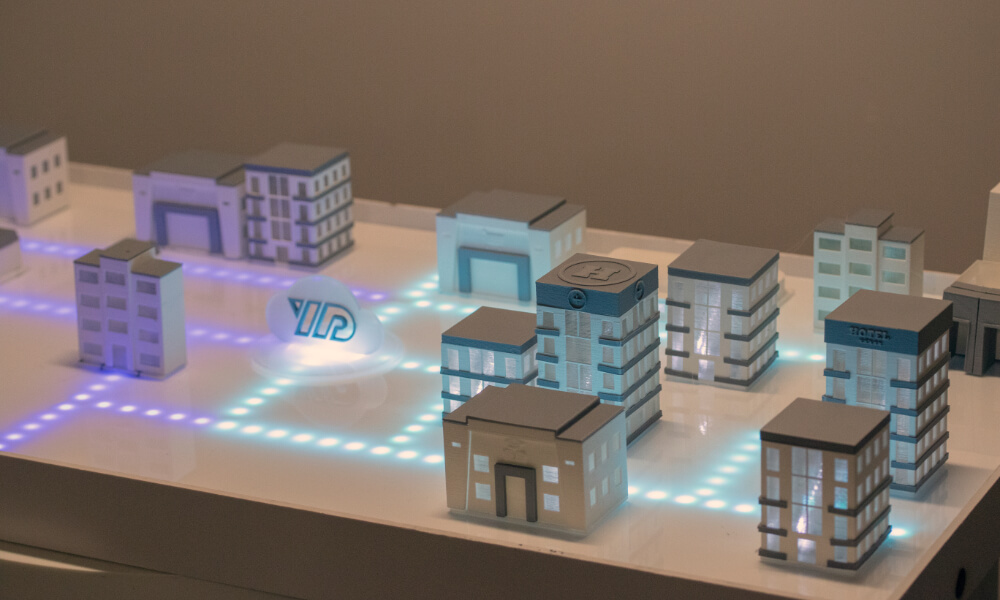

A renewable energy community is a collective initiative where individuals, businesses, public entities, and organizations join forces to produce, manage, and consume renewable energy.
These communities are typically designed to empower local participants, promote environmental sustainability, and provide economic and social benefits to members.
Benefits of Renewable Energy Communities:
- Sustainability: Encourages a shift to clean energy.
- Energy Security: Reduces dependence on external energy suppliers.
- Cost Savings: Members benefit from collective energy production, lowering individual costs.
- Community Development: Strengthens local collaboration and resilience.
Examples of Renewable Energy Communities:
- Co-housing projects with shared solar energy systems.
- Villages or towns running wind farms to supply their electricity.
- Urban neighborhoods adopting shared rooftop solar or geothermal systems.
Renewable Energy Communities are a practical step toward decentralizing energy systems and fostering local resilience while tackling global climate change challenges.
RECs focus on generating energy from renewable sources. Common systems include:
- Solar Power: Rooftop or community solar farms.
- Wind Energy: Community-owned wind turbines.
- Biomass or Biogas: Utilizing organic waste for energy.
- Hydropower: Small-scale or micro-hydro projects.
Economic Model
RECs use innovative financial models to remain viable:
- Upfront Investments: Members pool resources, apply for grants, or secure loans for initial infrastructure costs.
- Revenue Streams: Income is generated by:
- Selling surplus energy to the grid.
- Charging members for energy use at a reduced rate compared to traditional suppliers.
- Cost Savings: Members benefit from lower electricity bills and reduced operational costs.